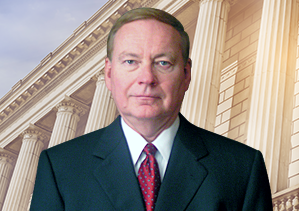

Gainesville Drug Distribution Lawyer
When law enforcement labels you a drug distributor, the weight of that accusation falls on every part of your life at once. Your job, your family, your freedom, and your future are suddenly all in jeopardy. This is not a situation where waiting to see what happens is an option. A charge of drug distribution in Florida carries some of the most severe mandatory penalties in the criminal code, and the window to build an effective defense begins closing the moment an arrest is made. Gainesville drug distribution lawyer Gilbert A. Schaffnit has spent more than 40 years defending individuals across Alachua County and throughout Florida against exactly these kinds of charges, and he brings that full weight of experience to every case he accepts.
What Drug Distribution Charges Actually Mean in Florida
Florida law treats drug distribution, trafficking, and sale as serious felony offenses, often with mandatory minimum prison sentences built directly into the statute. Unlike possession charges, which may leave some room for diversion programs or reduced penalties, distribution charges trigger a much harsher legal framework. The weight of the substance involved, the type of drug, and whether the offense allegedly occurred near a school, park, or public housing facility can all dramatically increase the severity of the charge and the minimum sentence a judge is required to impose.
Under Florida Statute Section 893.135, drug trafficking involving larger quantities of controlled substances such as cocaine, heroin, fentanyl, methamphetamine, or marijuana carries mandatory minimum sentences ranging from three years to life imprisonment, depending on the quantity and the substance. These minimums are not guidelines. They are floors that a judge cannot go below, even if they wanted to. This is why the defense strategy must begin immediately and must be aggressive from the outset, rather than hoping for leniency at sentencing.
It is also worth understanding that the line between possession and distribution is often drawn by law enforcement using circumstantial evidence. The presence of scales, multiple small bags, large amounts of cash, or even text messages on a phone can be used to argue that possession was “with intent to distribute.” That distinction can mean the difference between a misdemeanor and a mandatory prison sentence measured in years. Gilbert Schaffnit challenges that evidence directly, examining how it was obtained and whether it was legally admissible.
The Real-World Consequences Beyond the Courtroom
People charged with drug distribution often focus entirely on the criminal penalties, and for good reason. But the consequences that follow a conviction reach far beyond what a judge imposes at sentencing. A felony drug conviction in Florida can result in the permanent loss of your driver’s license, the suspension of your professional licenses, and disqualification from federal student aid. If you work in healthcare, education, law enforcement, or any licensed trade, a drug distribution conviction will almost certainly end that career.
The civil and financial consequences are equally severe. Federal law allows for asset forfeiture in drug cases, meaning the government can seize your car, bank accounts, and property if they are connected, even loosely, to alleged drug activity. That seizure can happen before conviction, and recovering seized assets is a legal battle in itself. For many families, the loss of assets and income while a case is pending can cause financial devastation that outlasts the criminal case entirely.
There is also the social reality of what happens when an arrest becomes public. In a community like Gainesville, where the University of Florida, local businesses, and tight-knit neighborhoods all overlap, an arrest record is visible and damaging. Employers conduct background checks. Housing applications ask about criminal history. The stigma of a drug distribution arrest can close doors even before a verdict is reached. Gilbert Schaffnit understands this reality and works to address not just the legal outcome but the broader impact on your life, providing representation that treats you with dignity and without judgment at every stage.
How an Experienced Defense Attorney Challenges Drug Distribution Cases
An effective defense against drug distribution charges is built on evidence, not emotion. Gilbert Schaffnit approaches each case by examining the full record of how the investigation began, how evidence was gathered, and whether law enforcement followed the legal requirements at every step. Many drug distribution cases begin with traffic stops, informant tips, or surveillance operations, all of which are subject to strict constitutional limitations. A stop that lacked reasonable suspicion, a search that exceeded the scope of a warrant, or a tip from an unreliable informant can each serve as grounds to suppress critical evidence.
The chain of custody for physical evidence is another area that demands scrutiny. Drug evidence must be collected, documented, stored, and tested according to specific protocols. Errors in any part of that process can call the reliability of laboratory results into question. Gilbert Schaffnit works with the evidence directly, reviewing lab reports, testing procedures, and documentation to identify any weaknesses in the prosecution’s case. He has practiced before the United States District Court for the Northern District of Florida and the Middle District of Florida, as well as in state courts throughout Alachua County and beyond, which means he understands how both state and federal prosecutors build these cases and where they are most vulnerable.
Entrapment is another defense that arises in drug distribution cases more often than many people realize. When law enforcement uses undercover officers or confidential informants to induce someone to sell or distribute drugs who would not otherwise have done so, that conduct may rise to the level of entrapment. This is a nuanced legal argument that requires both an understanding of the law and a thorough investigation of the facts. As someone who has devoted more than 30 years specifically to criminal defense, Gilbert Schaffnit is well-positioned to identify when this defense applies and how to present it effectively.
Federal Drug Distribution Charges Require a Different Level of Defense
Some drug distribution cases are prosecuted at the federal level, and the stakes in those cases are even higher. Federal sentencing guidelines for drug distribution offenses are calculated using drug quantity and criminal history, and federal prosecutors tend to have more investigative resources, including DEA involvement, wiretaps, and multi-agency task forces. Federal mandatory minimums under 21 U.S.C. Section 841 can result in sentences of five, ten, or even twenty years without the possibility of parole under the older sentencing structure.
Gilbert Schaffnit is admitted to practice before the Northern District of Florida, the Middle District of Florida, and the Eleventh Circuit Court of Appeals, among other federal courts. He is a former Defender Services Advisory Group Representative for the 11th Circuit and served as Chair of the Criminal Justice Act Committee for the Northern District of Florida. That background in federal criminal defense is not common, and it makes a meaningful difference in how federal drug distribution cases are handled. Many attorneys practice only in state court and are not equipped to navigate the procedural and strategic demands of a federal criminal prosecution.
For individuals who have already been convicted and are seeking to challenge their sentence or conviction, postconviction relief options do exist. Gilbert Schaffnit also represents clients in filing postconviction motions and appeals, including cases before the state and federal appellate courts. If you believe your conviction was the result of a flawed process, that conversation is worth having sooner rather than later, as there are strict deadlines governing when appeals and postconviction motions must be filed. You can learn more about his full approach to Gainesville criminal defense representation on the firm’s main practice page.
Gainesville Drug Distribution Lawyer FAQs
What is the difference between drug possession and drug distribution under Florida law?
Possession means having a controlled substance for personal use. Distribution, sale, or possession with intent to sell involves the transfer or intended transfer of drugs to another person. Florida courts allow prosecutors to infer intent to distribute from circumstantial evidence such as quantity, packaging, and paraphernalia, even without direct evidence of a transaction.
What are the mandatory minimum sentences for drug trafficking in Florida?
Florida’s mandatory minimums vary by substance and quantity. For cocaine, a conviction involving 28 grams or more triggers a mandatory minimum of three years. Larger quantities carry minimums of seven to fifteen years or more. Heroin, fentanyl, methamphetamine, and cannabis trafficking offenses carry their own threshold quantities and associated minimum sentences under Florida Statute Section 893.135.
Can I be charged with drug distribution for something that happened in my car or home?
Yes. Florida law allows for constructive possession charges, meaning you can be charged based on drugs found in a location you control, even if the drugs did not belong to you. This is a common and highly contested area of drug law, and challenging constructive possession requires a detailed factual and legal analysis of the circumstances.
Will my assets be seized if I am arrested for drug distribution?
Civil asset forfeiture allows law enforcement to seize property believed to be connected to drug activity, and this can happen before any conviction. Contesting a forfeiture action is a separate legal process from the criminal case and requires prompt action to preserve your rights to your property.
How does Gilbert Schaffnit approach drug distribution cases?
Gilbert Schaffnit accepts a limited number of cases to ensure every client receives his personal attention. He examines the full record of how law enforcement conducted its investigation, challenges the admissibility of evidence, reviews laboratory testing procedures, and identifies any constitutional violations that may support a motion to suppress or a dismissal of charges.
Is it possible to have a drug distribution charge reduced or dismissed?
Yes, though outcomes depend on the specific facts of each case. Motions to suppress evidence, challenges to the reliability of informants, and demonstrated constitutional violations have all resulted in reduced charges or dismissals. An experienced attorney who evaluates the case early has the greatest opportunity to identify these arguments before critical deadlines pass.
Does the Law Offices of Gilbert A. Schaffnit handle federal drug distribution cases?
Yes. Gilbert Schaffnit is admitted to practice in federal courts including the Northern and Middle Districts of Florida and the Eleventh Circuit Court of Appeals. He has handled federal criminal cases across Florida and has been admitted pro hac vice in other jurisdictions throughout the United States to represent clients in federal drug and other criminal matters.
Serving Throughout Gainesville and Surrounding Communities
The Law Offices of Gilbert A. Schaffnit represents clients throughout Gainesville and the broader North Central Florida region. Whether you are located near the University of Florida campus in the heart of Gainesville, in the residential areas of Haile Plantation or Tower Road, in the communities along Newberry Road, or in the neighborhoods surrounding Archer Road, the firm is prepared to assist you. Gilbert Schaffnit also represents clients in Alachua, High Springs, Newberry, and Chiefland, as well as in Ocala and the surrounding Marion County communities. Clients from Levy County, Columbia County, and the greater Suwannee Valley area regularly seek his representation for serious criminal matters. Cases handled in the Alachua County Criminal Justice Center at 201 East University Avenue are a regular part of the firm’s practice, and Gilbert Schaffnit’s long history in that courthouse and before those judges brings a familiarity with local procedure that benefits every client he represents.
Contact a Gainesville Drug Distribution Attorney Today
Every day that passes after a drug distribution arrest is a day that evidence may be lost, witnesses may become unavailable, and legal deadlines move closer. The prosecution began building its case the moment law enforcement made its move, and your defense needs to begin just as quickly. Gilbert Schaffnit is available 24 hours a day, seven days a week to speak with you about what you are facing. He accepts a limited number of cases specifically so that he can give each client the focused, individualized attention that serious criminal charges demand. If you are looking for a Gainesville drug distribution attorney with more than 40 years of experience and a record of zealous representation in both state and federal courts, the Law Offices of Gilbert A. Schaffnit is the call to make. You can also explore the firm’s broader practice by visiting the Gainesville criminal defense lawyer page to understand the full scope of how this firm approaches every case it takes on.