
Gainesville Manslaughter Lawyer
Picture this: a driver leaves a gathering in the Haile Plantation area after a few drinks, misjudges a turn on Newberry Road, and causes a crash that kills another person. Within hours, law enforcement is at the hospital asking questions. The driver, believing cooperation will help, answers everything, waives the right to counsel, and within days finds themselves charged with DUI manslaughter carrying a mandatory minimum prison sentence. Without a Gainesville manslaughter lawyer present from the very first moment, statements made in those early hours often become the prosecution’s most powerful evidence. That is the reality of how quickly and irrevocably a manslaughter case can spiral against someone who does not have experienced legal representation in place before they say a single word.
Understanding Manslaughter Charges Under Florida Law
Florida Statute Section 782.07 defines manslaughter as the killing of a human being by the act, procurement, or culpable negligence of another, without lawful justification. This is a second-degree felony in most circumstances, punishable by up to fifteen years in prison. However, the charge can be elevated to a first-degree felony, carrying up to thirty years, when the victim belongs to a protected class such as an elderly person, a disabled adult, or a law enforcement officer. Aggravated manslaughter of a child is also a first-degree felony under Florida law.
What distinguishes manslaughter from murder is the absence of premeditation or a depraved mind. Prosecutors still must prove beyond a reasonable doubt that the defendant’s actions or negligence directly caused the death of another person. That causation element is where skilled defense work can make an enormous difference. Medical examiners, accident reconstruction specialists, and forensic experts often reach conclusions that, on the surface, appear definitive but are actually quite challengeable when examined critically by a knowledgeable attorney.
Florida also separately codifies DUI manslaughter under Section 316.193. A conviction carries a mandatory minimum of four years in prison, with potential sentences extending to fifteen years. If the defendant knew or should have known that a crash occurred and failed to render aid or remain at the scene, the charge becomes a first-degree felony. These distinctions matter enormously when crafting a defense strategy, and they underscore why the specific facts of each case must be analyzed carefully from the start.
What to Expect From Arrest Through Resolution
After an arrest for manslaughter in Alachua County, the defendant will typically be brought before a judge at the Alachua County Criminal Justice Center on SE Hawthorne Road for a first appearance hearing, usually within twenty-four hours. At this stage, the court sets bond conditions. In manslaughter cases, particularly those involving DUI or domestic violence, prosecutors frequently push for high bond amounts or argue that the defendant poses a risk to the community. Having an attorney present at first appearance, or immediately afterward, can significantly affect the bond outcome and whether the accused returns home during the pendency of the case.
The formal charging phase follows. The State Attorney’s Office for the Eighth Judicial Circuit, which covers Alachua County, will either file an information or present the case to a grand jury for indictment. The defense team at this point is actively working on several fronts simultaneously: reviewing the probable cause affidavit, identifying potential witnesses, requesting preservation of surveillance footage from nearby businesses or traffic cameras, and analyzing any blood alcohol or toxicology evidence for procedural compliance and scientific reliability.
Depositions, pre-trial motions, and plea negotiations characterize the middle phase of the case. A motion to suppress unlawfully obtained evidence, a motion challenging the admissibility of a breath or blood test, or a motion attacking the sufficiency of the charging document can each alter the trajectory of the prosecution. Cases that appear insurmountable at the arrest stage sometimes look very different after thorough pre-trial litigation. And in some instances, the case never reaches trial at all, resolving through dismissal or a negotiated outcome that is far more favorable than the original charges suggested.
Defense Strategies That Can Change the Outcome
One angle that surprises many people is how often the cause of death itself becomes a contested issue in manslaughter cases. Prosecutors typically rely on a medical examiner’s findings, but those findings are not immune to challenge. Contributing medical conditions, prior injuries, inadequate emergency response, or intervening causes can each raise legitimate questions about whether the defendant’s conduct was truly the proximate cause of death. Expert testimony from pathologists or trauma specialists can introduce reasonable doubt at a level that a jury takes seriously.
In cases rooted in alleged culpable negligence, the definition of that term becomes critically important. Culpable negligence under Florida law is not ordinary carelessness. It requires a level of gross recklessness, a conscious disregard for human life that goes well beyond a momentary lapse in judgment. Defense attorneys can argue, often persuasively, that a tragic accident resulting from a mistake does not rise to the level the statute requires for criminal liability. This distinction between civil negligence and criminal culpability is one that juries, properly instructed and persuasively addressed by defense counsel, can and do accept.
Self-defense and excusable homicide are also recognized defenses in Florida manslaughter cases. When the death resulted from a sudden quarrel or in the heat of passion provoked by the victim, the law may reduce or eliminate criminal liability. Florida’s Stand Your Ground statute can apply in appropriate circumstances as well, potentially immunizing a defendant from prosecution before trial even begins through a pre-trial immunity hearing.
Why Experienced Local Representation Matters
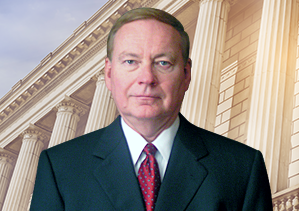
Gilbert A. Schaffnit is a Gainesville criminal defense attorney with more than forty years of experience, having devoted more than thirty of those years specifically to criminal defense representation in Alachua County and across Florida. He is admitted to the Florida Bar, the Northern and Middle Districts of Florida, the Sixth and Eleventh Circuit Courts of Appeals, and the United States Supreme Court. That breadth of court admission means he can handle cases that cross from state into federal jurisdiction, which occasionally arises when a death occurs in connection with a federal investigation or on federal property.
Attorney Schaffnit graduated Phi Beta Kappa from the University of Florida and earned his law degree from UF’s College of Law. He is the current President and co-founder of the North Central Florida Chapter of the Federal Bar Association, and a former Chapter President of the Florida Association of Criminal Defense Lawyers. These professional affiliations are not merely honorary. They reflect a genuine immersion in the defense bar community, keeping the firm current on evolving legal strategies, changes in case law, and shifts in how local prosecutors approach serious felony cases.
The firm deliberately accepts a limited number of cases at any given time to ensure every client receives individualized, hands-on representation. As a skilled Gainesville criminal defense lawyer, Gilbert Schaffnit works directly with clients from the very first phone call through the resolution of the case, whether that resolution comes through dismissal, acquittal, or a carefully negotiated agreement. That direct involvement is not a marketing phrase. It is the operational model of the practice.
The Unexpected Factor: How Media and Public Pressure Shape These Cases
Manslaughter cases, particularly those involving DUI or a fatality in a well-known part of town, sometimes attract media attention in ways that can prejudice a jury pool before a single juror has been selected. Attorney Schaffnit is experienced in serving as a client’s advocate before the press and public in sensitive, controversial, or highly-publicized legal matters. Managing the public narrative is rarely discussed in legal content about criminal defense, but it is a real and consequential dimension of serious felony cases. A statement made to a local news outlet, or the absence of one, can shape community perception in ways that affect the fairness of trial proceedings.
In Gainesville, where the University of Florida creates a closely connected community with active local media, a manslaughter case can become visible quickly, especially when any of the parties involved are affiliated with the university or the case occurs near a recognizable location. The firm’s experience in this environment, and the attorney’s long-standing reputation within the local legal community, provides clients with a layer of protection that extends beyond the courtroom itself.
Gainesville Manslaughter Lawyer FAQs
What is the difference between manslaughter and murder in Florida?
Murder in Florida requires either premeditation or a depraved indifference to human life, or occurs during the commission of certain felonies. Manslaughter does not require intent to kill. It involves causing death through culpable negligence or an intentional act that was not legally justified, but without the deliberate planning or extreme recklessness associated with murder charges.
Can a manslaughter charge be reduced to a lesser offense?
In some cases, yes. The specific facts, the strength of the evidence, and the skill of defense counsel all influence whether a charge can be reduced. Charges have been resolved through negotiated pleas to lesser offenses such as aggravated assault or reckless driving causing death, depending on the circumstances and the willingness of the prosecution to engage in meaningful negotiations.
What is the mandatory sentence for DUI manslaughter in Florida?
Florida law imposes a mandatory minimum sentence of four years in prison for a DUI manslaughter conviction. The maximum sentence is fifteen years for a second-degree felony, or thirty years if the charge is elevated to a first-degree felony, such as when the defendant left the scene without rendering aid.
Will I have to go to trial, or can my case be resolved without one?
Many manslaughter cases are resolved without going to trial. Pre-trial motions, evidentiary challenges, and negotiations with the State Attorney’s Office can lead to dismissal, reduction of charges, or a plea agreement. Whether trial is the right strategy depends entirely on the strength of the evidence, the available defenses, and the potential sentencing consequences of going forward versus negotiating a resolution.
How important is it to hire an attorney before speaking to police?
It is critically important. Statements made to law enforcement, even those intended to explain or justify what happened, are routinely used as evidence by prosecutors. Invoking the right to counsel before any questioning is one of the most protective steps a person can take after being involved in an incident that results in someone’s death.
Does the firm handle manslaughter cases that occur outside of Alachua County?
Yes. Attorney Gilbert Schaffnit represents clients in Alachua County and throughout the state of Florida. He has also been admitted pro hac vice in multiple federal jurisdictions to represent clients in criminal cases across the United States.
What role does a forensic expert play in a manslaughter defense?
Forensic experts, including pathologists, accident reconstruction specialists, and toxicologists, can provide testimony that challenges the prosecution’s version of how a death occurred. These experts review evidence independently and can identify inconsistencies or alternative explanations that create reasonable doubt in the minds of jurors.
Serving Throughout Gainesville and Surrounding Areas
The Law Offices of Gilbert A. Schaffnit serves clients throughout the Gainesville metropolitan area and across North Central Florida. Whether a client is located in the established neighborhoods near the University of Florida campus, the growing communities along Archer Road or Tower Road, or further out in areas such as Jonesville, Tioga, or Haile Plantation, the firm is accessible around the clock. The practice extends to surrounding counties and communities including Newberry, Alachua, High Springs, Micanopy, and Hawthorne. Attorney Schaffnit also regularly represents clients from Marion County, Levy County, and Gilchrist County, reflecting the regional reach of the practice. Whether the underlying incident occurred on Interstate 75, along State Road 26, near Paynes Prairie, or anywhere else in the region, the firm is prepared to respond immediately and engage with local courts and law enforcement agencies on the client’s behalf.
Contact a Gainesville Manslaughter Attorney Today
The difference in outcome between a person who retains a seasoned manslaughter attorney at the earliest possible stage and one who delays or tries to resolve the situation without legal help is often measured not in degrees but in decades. Those who act quickly give their attorney the opportunity to preserve evidence, challenge unlawful police conduct, and prevent self-incriminating statements from being made. Those who wait forfeit those advantages one by one. Gilbert Schaffnit has spent over forty years in criminal defense, including more than thirty focused exclusively on representing individuals charged with serious criminal offenses throughout Florida. If you or someone you know has been arrested or is under investigation for manslaughter in Alachua County or the surrounding region, contact a dedicated Gainesville criminal defense attorney at the Law Offices of Gilbert A. Schaffnit. The office is available twenty-four hours a day, seven days a week, and offers an initial consultation to discuss the specific facts and circumstances of your case.