
Man Indicted on Cyberstalking Charges After Harassing 11 Victims
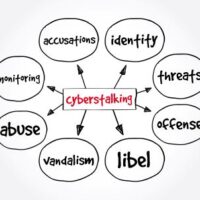
A man from Pennsylvania has been indicted by a federal grand jury on multiple charges, including cyberstalking, interstate stalking, and interstate threats.
The 14-count indictment alleges a pattern of harassment involving at least 11 victims across several states, including Pennsylvania, Florida, New York, Ohio, and Iowa. Prosecutors say the defendant victimized women he encountered at gyms in the Pittsburgh area and later in other cities.
According to court documents, the alleged behavior included showing up uninvited at victims’ homes and workplaces, following them from businesses, attempting to interfere with their employment, taking and posting photographs without consent, and publishing private personal information online. Authorities also allege the defendant made explicit threats referencing serious violence, arson, and death, along with extremist and religious language.
Two victims reportedly obtained court-issued protection-from-abuse orders, which prosecutors say were violated both online and in person. When banned from gyms or reported to police, the defendant allegedly relocated and continued the same course of conduct elsewhere.
If convicted, the defendant faces mandatory minimum sentences tied to protection order violations, with a potential combined sentence of up to 70 years in prison and substantial fines.
Earlier court filings describe similar allegations spanning several months, including repeated online harassment, threatening phone calls, appearances at workplaces, and threatening content posted on social media and a podcast. In one incident, the defendant allegedly contacted a victim’s parents after obtaining their phone number, prompting further legal action and the issuance of a protection order, which was later violated.
The case remains pending in federal court.
Why Do People Engage in Online Stalking?
People engage in online stalking for a wide variety of reasons. While motivations vary, most cases involve a need for control, validation, or retaliation rather than genuine affection.
Desire for control and power is one of the most common drivers. Online platforms make it easy to monitor, contact, and intimidate victims repeatedly, giving the stalker a sense of dominance with little immediate consequence.
Obsession and fixation also play a role. Some individuals develop unhealthy attachments, misinterpret casual interactions as meaningful relationships, or struggle to accept rejection. Social media can intensify this by providing constant access to personal information.
Anonymity and reduced accountability lower inhibitions. People may say or do things online they would never attempt in person because they feel shielded by distance or fake identities.
Ease of access and normalization of harassment online also matters. Digital tools allow stalking to occur continuously and cross state lines.
Mental health issues may contribute in some cases, including narcissistic traits, delusional thinking, or poor impulse control, though mental illness alone does not cause stalking.
Contact a Legal Professional for Help
Stalking someone is so much easier nowadays thanks to phones, computers, and other technology. People think they can hide behind screens, but those who harass others tend to get caught eventually.
Laws prohibiting certain conduct involving computers and Internet technology can be complex. Get the legal help you need from a Florida computer & internet crime lawyer from the Law Offices of Gilbert A. Schaffnit. To schedule a consultation with our office, fill out the online form or call (352) 505-1799.
Source:
wtae.com/article/pittsburgh-area-man-alleged-cyberstalking-local-gyms/69414953